
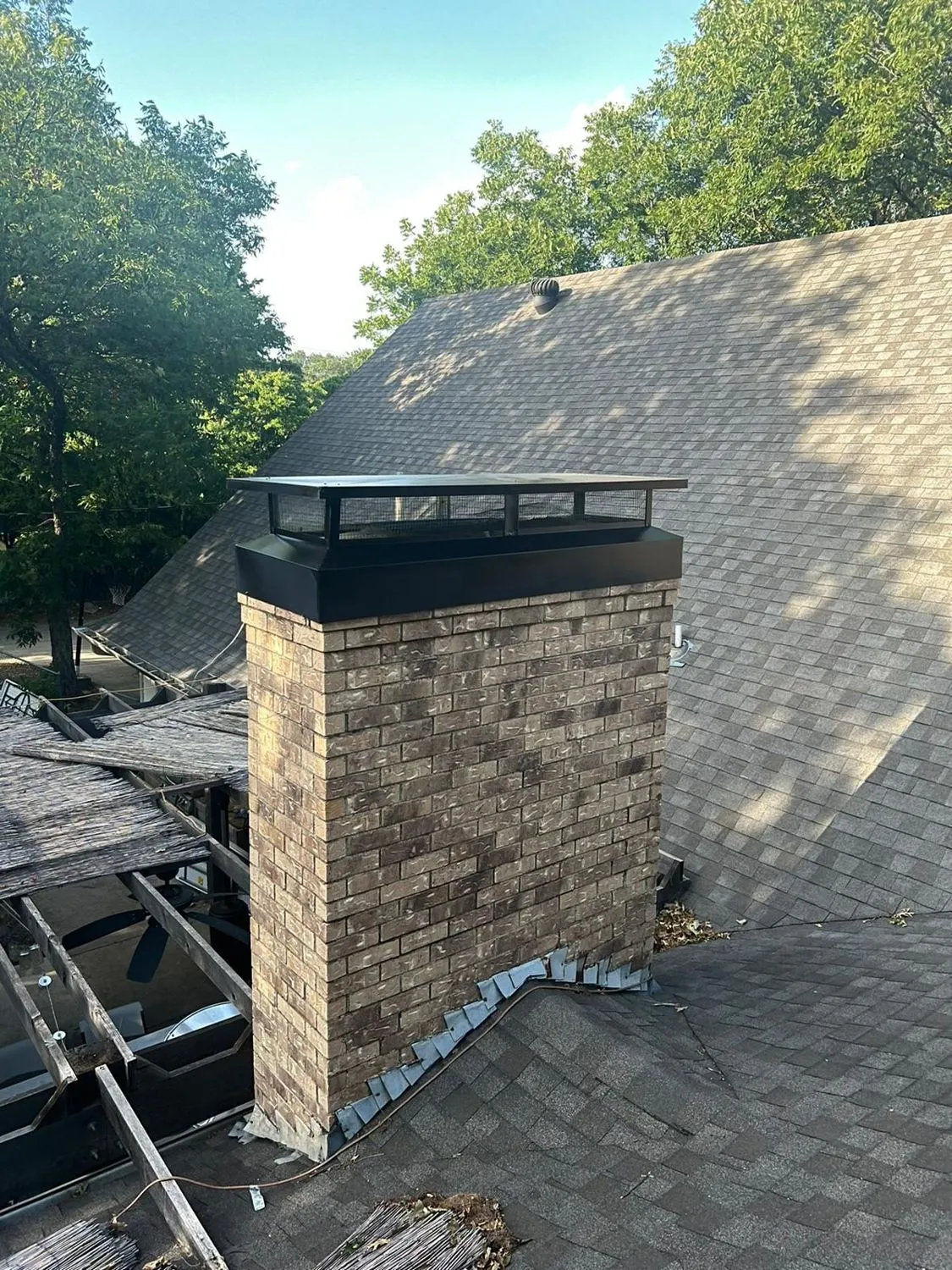
When the first cold snap hits the Wasatch Front, your fireplace goes from decoration to workhorse overnight. The problem? Most chimney issues develop quietly through spring and summer, and they only announce themselves once you light that first fire. Here are five warning signs our technicians look for on every fall inspection — and what each one means for your home.
1. Crumbling Mortar or Spalling Brick
Walk outside and look at your chimney from the ground. If you see flaking brick faces, gaps in the mortar joints, or chips of masonry collecting on the roof or in the flower beds, water has been working its way into the structure. Utah's freeze-thaw cycles turn small cracks into big ones fast. Left alone, a deteriorating stack can lean, leak, or eventually fail — and masonry repair is far cheaper before winter locks in.
2. White Staining on the Brick
That chalky white residue is called efflorescence, and it is more than a cosmetic issue. It means moisture is moving through the masonry and leaving dissolved minerals behind as it evaporates. Persistent staining usually points to a failed crown, missing cap, or brick that needs waterproofing before snow season.
3. Smoke That Lingers in the Room
A healthy chimney pulls smoke up and out the moment the flue warms. If smoke rolls back into the living room, hangs at the ceiling, or you smell smoke in other rooms of the house, you may have a blocked flue, a damper that will not open fully, or draft problems from a bird nest or debris. Never keep using a fireplace that smokes into the home — have the flue inspected first.
4. A Campfire Smell When the Fireplace Is Off
That sharp, smoky odor on humid or rainy days is the smell of creosote — the flammable tar that builds up inside the flue with every fire. Creosote is the leading cause of chimney fires, and if you can smell it, there is enough of it to matter. An annual sweep removes the buildup and the risk along with it.
5. Rust, Water Drips, or a Damaged Cap
Rust streaks on the firebox or damper, water sounds inside the flue, or a cap that is visibly bent or missing all mean the same thing: water is getting where it should not. A quality cap and a sealed crown are the least expensive protection your chimney can get.
Spotted Any of These? Let's Take a Look
A certified inspection takes about an hour and catches every one of these problems before they become winter emergencies. Schedule your inspection with 360 Fireplace & Chimney and light that first fire with confidence.